
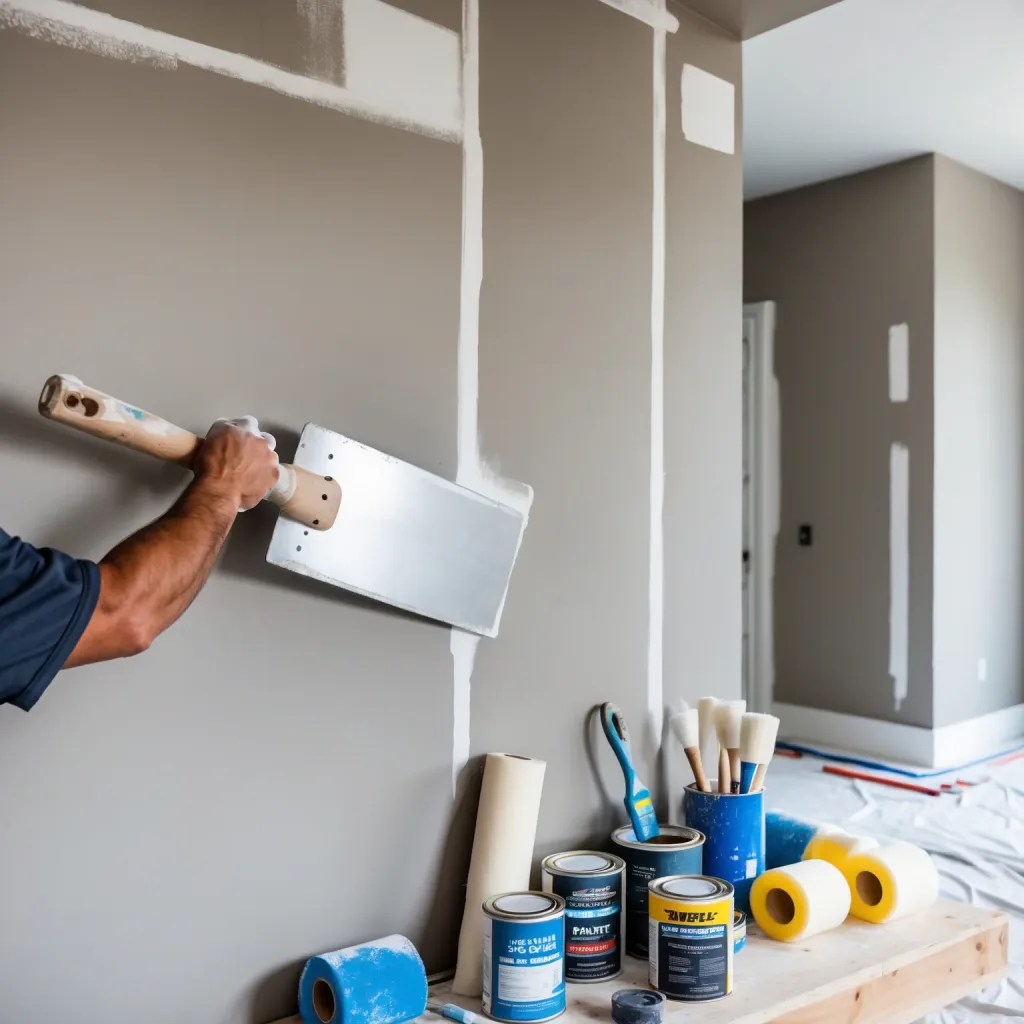
Drywall Terms and Definitions: A Homeowner’s Glossary for Wilkes-Barre, PA
Plain-Language Explanations of the Terms Contractors Use Every Day
When a drywall contractor walks through your home and starts talking about feathering, butt joints, or Level 5 finish, it can be difficult to follow the conversation if you are not familiar with the terminology. Understanding what these terms mean puts you in a better position to evaluate the scope of work, ask the right questions, and make informed decisions about your repair or installation project.
This glossary covers the drywall terms used most often in residential and commercial projects throughout Wilkes-Barre, PA and Luzerne County. Each definition is written in plain language so homeowners, landlords, and property managers can follow along without a construction background.
Materials and Products
Drywall The general term for gypsum board panels used to construct and finish interior walls and ceilings. Drywall panels consist of a gypsum plaster core pressed between two layers of paper facing. Standard panels come in four-by-eight and four-by-twelve foot sheets in thicknesses ranging from three-eighths inch to five-eighths inch.
Sheetrock A brand name for drywall manufactured by USG Corporation. Sheetrock and drywall refer to the same product and the two terms are used interchangeably in the construction industry throughout Wilkes-Barre and Northeast PA.
Gypsum Board Another term for drywall. Gypsum is the mineral compound that forms the core of every drywall panel. It is naturally fire-resistant, which makes it the standard material for interior wall and ceiling construction.
Joint Compound A plaster-like material applied over drywall seams, fastener heads, and repairs to create a smooth, level surface. Joint compound is also called mud. It is sold in two forms: pre-mixed drying compound, which cures by evaporation, and setting compound, which cures through a chemical reaction and dries significantly faster.
Drywall Tape A reinforcing material applied over seams between drywall panels before joint compound is applied. Paper tape is the professional standard and produces a stronger, longer-lasting seam than mesh tape in most applications. Mesh tape is sometimes used for small patch repairs.
Corner Bead A metal or vinyl trim piece applied to outside corners where two drywall panels meet. Corner bead protects the edge from damage and provides a clean, straight line for finishing. It is embedded in joint compound and sanded smooth as part of the finishing process.
Techniques and Processes
Hanging The process of fastening drywall panels to wall studs or ceiling joists using drywall screws. Proper hanging requires panels to be cut accurately, edges to land on framing members, and screws to be set just below the surface without breaking the paper facing.
Taping The process of applying drywall tape over seams and embedding it in joint compound. Taping is the first step of the finishing process and sets the foundation for all subsequent compound coats. Poor taping technique is the most common cause of cracking seams.
Mudding Applying joint compound over taped seams, fastener heads, and repaired areas in multiple coats. Most professional drywall finishing in Wilkes-Barre requires three coats: a base coat, a fill coat, and a finish coat. Adequate drying time between coats is required to prevent cracking.
Feathering A technique used when applying joint compound in which the edges of each coat are tapered outward gradually to blend into the surrounding surface. Proper feathering produces a smooth transition that is invisible under paint.
Sanding The process of smoothing dried joint compound to remove tool marks, ridges, and uneven areas. Drywall sanding creates fine airborne dust and requires proper containment. Any imperfection remaining after sanding will show through paint, particularly in rooms with direct or angled light.
Finish Level A standardized rating from Level 0 to Level 5 that describes how thoroughly a drywall surface has been finished.
- Level 0 means no taping or finishing has been applied.
- Level 5 is the highest standard and involves a skim coat of compound over the entire surface.
- Level 4 is the standard for most painted walls in residential homes.
- Level 5 is specified for walls receiving glossy or semi-gloss paint, or where critical lighting will be present.
Drywall Types
Moisture-Resistant Drywall A drywall panel engineered to resist humidity and incidental moisture. Commonly called green board due to its green paper facing, moisture-resistant drywall is appropriate for bathrooms, laundry rooms, and utility spaces. It is not waterproof and should not be used as a tile backer in wet areas.
Fire-Rated Drywall A thicker, denser panel with additives that slow the spread of fire through a wall assembly. Fire-rated drywall, also called Type X, is required by building code in specific assemblies such as garage-to-living-space walls and certain commercial construction applications throughout Luzerne County and Northeast PA.
Mold-Resistant Drywall A panel manufactured with a fiberglass mat facing rather than paper, which eliminates the organic material that mold feeds on. Mold-resistant drywall is recommended in basements, crawl spaces, and any area with a history of moisture issues.
Soundproof Drywall A high-density panel designed to reduce sound transmission between rooms. Soundproof drywall uses a combination of gypsum, viscoelastic compounds, and steel to dampen sound waves. It is commonly specified in home offices, media rooms, and multi-family residential construction.
Common Issues and Repair Terms
Water Damage Structural deterioration of drywall caused by prolonged moisture exposure. Water-damaged drywall loses its rigidity, develops staining, and becomes a host environment for mold growth. Drywall that has been saturated must be removed and replaced. It cannot be dried and reused.
Texture A decorative or functional surface treatment applied over finished drywall before painting. Common textures include orange peel, knockdown, skip trowel, and smooth. Texture matching is the process of replicating an existing texture on a repaired section so the work blends with surrounding surfaces.
Popcorn Ceiling A spray-applied ceiling texture popular in mid-century construction and widely used in homes built before the 1990s. Popcorn ceilings are a common removal request in Wilkes-Barre homes being updated or prepared for sale. Older popcorn texture may contain asbestos and should be tested before removal.
Patch A repair made to a damaged section of drywall without replacing the full panel. Patches are appropriate for holes, cracks, and small areas of localized damage. Professional patches are finished and textured to blend with the surrounding wall surface.
Substrate The structural surface behind drywall panels, typically wood or metal framing. The condition of the substrate directly affects the quality of the finished drywall installation. Warped, missing, or improperly spaced framing members must be corrected before panels are hung.
Who This Resource Is For
- Homeowners preparing for a drywall repair or installation project in Wilkes-Barre, PA
- Landlords and property managers reviewing contractor estimates in Luzerne County
- Real estate investors evaluating scope of work before purchasing or listing a property
- First-time homeowners unfamiliar with construction terminology
- Anyone who wants to have a more informed conversation with their drywall contractor
What Wilkes-Barre Drywall Provides
- Drywall repair for holes, cracks, and damage of all sizes
- Full drywall installation for new construction and remodels
- Sheetrock hanging, taping, and mudding
- Ceiling drywall repair and panel replacement
- Water-damaged drywall restoration
- Texture matching and surface finishing
Frequently Asked Questions
What is the difference between joint compound and spackle? Joint compound is used for taping seams and finishing large areas of drywall. Spackle is a faster-drying filler intended for very small holes and surface imperfections. For anything larger than a nail hole, joint compound produces a more durable and workable result.
What does Level 5 finish mean? Level 5 is the highest drywall finish standard. It involves applying a full skim coat of joint compound over the entire wall surface after standard finishing is complete. It is specified for walls receiving high-sheen paint or where critical lighting conditions would reveal surface imperfections.
What is the difference between setting compound and drying compound? Setting compound cures through a chemical reaction and hardens within a defined time window regardless of humidity or temperature. Drying compound cures by evaporation and takes longer. Setting compound is often used for base coats and repairs where faster turnaround is needed.
Related Resources
- Drywall Installation Services
- Drywall Patching Services
- Drywall Removal and Replacement
- Gypsum Board Installation Services
- Fire-Rated Drywall Installation
Get a Fast, Free Drywall Estimate Today
Have questions about your specific project? Call Wilkes-Barre Drywall at (570) 413-1444 or visit wilkes-barredrywall.com to request a free estimate. We serve Wilkes-Barre, Luzerne County, and all of Northeast PA with professional drywall repair and installation services.
Need Drywall Repair or Installation? Book Your Service with a Local Wilkes-Barre Expert Today.
Proud Sponsors of Community Events Across Pennsylvania
At Wilkes-Barre Drywall, we believe in more than just delivering high-quality drywall services—we believe in building strong, supportive communities throughout the state of Pennsylvania. That’s why our company proudly sponsors local events that bring neighbors together, celebrate local culture, and support the people and places that make our region special.
Whether it’s a seasonal festival, outdoor concert, neighborhood cleanup, or youth sports tournament, we are passionate about giving back to the communities we serve. As a locally owned business rooted in Wilkes-Barre, we understand the value of community involvement. We are committed to investing in the events that enhance quality of life across Luzerne County and beyond.
Sponsorship isn’t just about visibility—it’s about connection. Our team regularly volunteers, donates materials, and contributes financially to ensure these events are successful and accessible for all. We’re proud to support initiatives that reflect the values of family, hard work, and community growth.
Looking for free events to enjoy with your family? Visit: Pennsylvania Free Events to explore upcoming community activities, many of which are proudly sponsored by us.
Together, we’re not just improving homes—we’re helping build a better, more connected Pennsylvania.
Wilkes-Barre Drywall | About Us | Blog | Services | Contact Us